Neurodivergent women deserve to be recognized earlier and assessed with more rigor.
Lira was born from my daily clinical practice and from what I kept noticing over the years.
Today it exists in two forms: a support app for neurodivergent women, and a structured clinical protocol for psychologists assessing ADHD and autism in adult women.
Why Lira
The problem cannot be solved from only one side.
For years, I have seen women arrive at my clinic after decades of burnout, anxiety, and misdiagnoses. Some had never even had the chance to recognize themselves as neurodivergent.
Lira was born from a simple conclusion: the under-assessment of neurodivergent women must be addressed on both fronts at the same time.
The two sides of Lira
For women and for professionals.
Two products, one shared purpose: to transform the experience of recognition and assessment of female neurodivergence.
For women
Lira, the app
An AuDHD friend in your pocket
A daily app for neurodivergent women who want to better understand their energy, their cycle, and their nervous system.
- • Quick daily energy check-ins
- • Pattern recognition for overload and recovery
- • Menstrual cycle linked to everyday energy
- • Inner World with small self-knowledge challenges
For professionals
Lira Protocol
Structured assessment for ADHD and ASD in adult women
A clinical platform for psychologists assessing ADHD and ASD in adult women, with anamnesis, dimensional profiling, and DSM-5-TR organization.
- • Structured clinical anamnesis
- • Dimensional profile with DSM-5-TR organization
- • Support for clinical report writing
- • Reduced integration and reporting time
Lira in the press
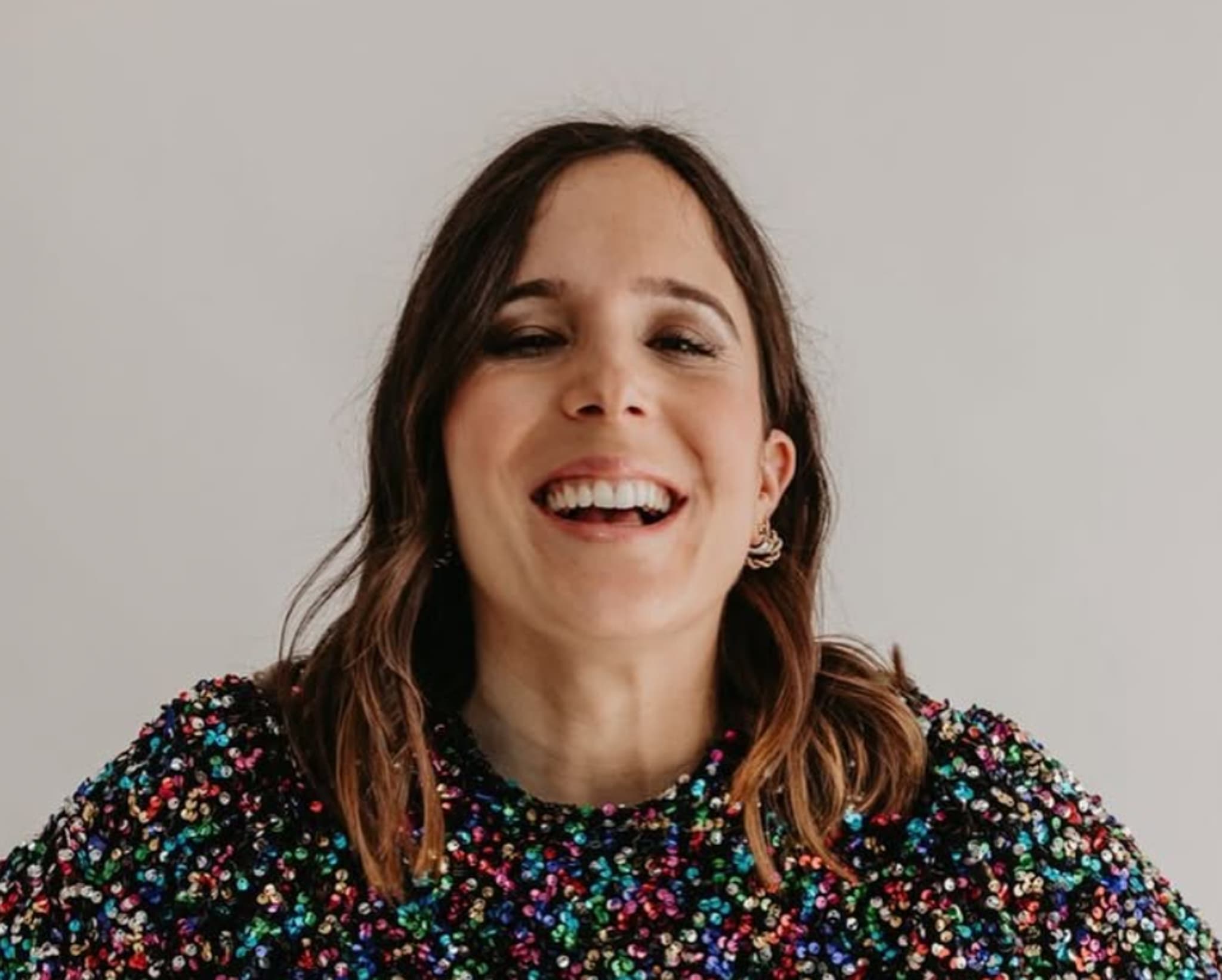
About Lira and my practice
I co-founded Lira to scale the impact of my clinical practice.
I specialized in female neurodivergence because, throughout my practice, I noticed a clinical pattern that was systematically ignored.
Lira exists so this pattern is no longer invisible, both to the women who live it and to the professionals who welcome them in clinical care.